Saturday, May 1, 2010

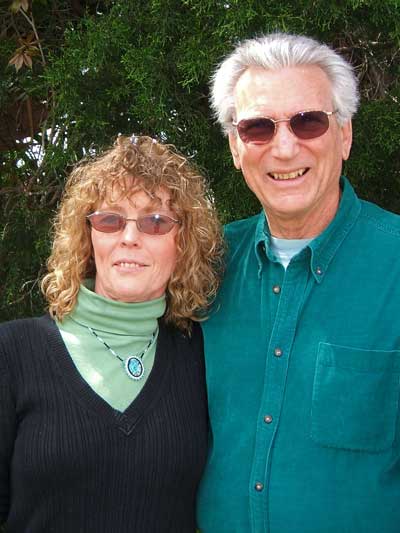
Relaxin’ with the Laxons

Jay has continued friendships with a number of charter guests from his time in the Virgin Islands. Michel (pronounced like Michelle) Laxson is one of those friends. She and her husband, John, live in the tiny town of Melrose on Santa Fe Lake and invited us to share a day with them. We met at a community fair and immediately fell into comfortable conversation as we strolled around the grounds then paused at a wildlife shelter booth that had two live owls that had been rehabilitated; a large Barred Owl and a cute little Screech Owl. They were the last things we expected to see that day but genuinely treasured the encounter.


The gorgeous Barred Owl perched on a T-stand.


Isn’t he the cutest little bird? He was less than 8” tall.


We followed the Laxons home where they treated us to a tour around the lake on their pontoon boat. Michel learned of our quest to find an area where we may want to live and immediately started espousing the advantages of a number of homes currently on the market in the area. The lake certainly had its appeal, but we weren’t ready to commit to Florida quite yet: Maybe after we’ve seen the rest of the country for comparison.


Both John and Michel have home based businesses; John is a stock fund manager consultant and Michele runs a river tour company, paddling on rivers throughout Florida and as far away as Hawaii. Kayaks in a rainbow of colors rest atop racks along one whole side of their backyard and, in a secure garage, a variety of sturdy canoes occupy the arms of a trailer used to transport them to and from the water. She suggested a couple of rivers that we could paddle over the next week and showed us the boats she recommended we should use. We decided to commit to the Oklawaha River and depending on how it went, then do the Silver River, her favorite.


John, Michel and their pet cat in front of their home.


They own a lot nearby where they grow grapefruit and several different varieties of oranges which they primarily juice. They showed us three different varieties and let us taste the juice from each. The color, texture and flavor of each was unique ranging from tiny, reddish orange to large, yellow orange fruit and juice. It was quite an education for us. We shared a wonderful dinner and they would not let us leave without taking a bucketful of oranges freshly picked from their orchard and a lemon the size of a grapefruit.


On Monday the 29th, Michel, and her padding friend Mark, met us at the Ray Wayside Park for a ride down the Oklawaha River. We were very impressed with the gear she provided and the safety precautions taken with respect to securing gear in heavy, vinyl, waterproof bags. She even brought seat back supports to ease the strain on our backs.


Here we are just before launching the canoes.


We launched the canoes and slipped through a canal entirely enveloped with the fresh, spring greenery of trees and lily pads on our way to the river. In the preceding weeks, strong storms had dumped unusually large amounts of rain on the area raising the level of the river by several feet and washing in tannins from the surrounding woodlands causing the water to become brown. The sighting of turtles, alligators and water birds was affected by the increased depth as many of the fallen trees they would normally rest on were underwater. This forced them deeper into the woods to find perches and thus out of our sight. Regardless, the river was beautiful and the bounty of greenery that had popped out with the ever increasing warm temperatures further lifted our spirits after such a cold, gray, dismal winter. Our drowsy drift down the river created a melancholy peace seemingly unachievable by any other means.


We had to paddle through this gorgeous canal, lined with lily pads on our way to the Oklawaha River.


Upon our return to the park Michel produced a Ruby Red grapefruit the size of Chris’ head and gave it to us. We’d never seen a fruit so monstrous and were concerned that it might be too bitter for our tastes. A few days later we peeled it and following a “You go first” debate apprehensively tasted a small section. Our eyes widened in astonishment at its sweet succulence and we continued to dip into it until our stomachs could hold no more. Much to our dismay, after four days of snacking and using it for dinner side dishes, it was gone.


Chris couldn’t wrap her hands around this monstrous grapefruit.


Michele had not wanted us to tackle the Silver River until she determined our level of boating skills. We must have passed the test because she was eager to take us up the Silver River. We didn’t completely understand how, but we accessed the Silver River by the same park we had the Oklawaha, only we turned to the right, not the left. She suggested we use kayaks, not canoes as we had to paddle upstream to the headwaters then turn around and drift home.


Up to this time we had only floated down rivers and a minimum amount of paddling was needed for steering, or to get closer to observe something of interest, resulting in wonderfully relaxing days. Although the Silver River was just as beautiful as the others, there was little time to relax and absorb the surroundings due to the concentration required to propel us the four hours upstream against at least a 2 knot current. Staying along the sides helped but if we veered just a little into the center, the current immediately grabbed the bow of the kayak in an attempt to take it with it and more effort was required to reposition the craft and continue forward. Michel mentioned that because the river was so engorged and spread out the current was slacker than usual – music to our ears, but not necessarily to our muscles. Rest stops along the way helped and Chris was glad she’d spent the last few months building up her arm muscles with frequent exercise.


Chris took more photos of the beautiful scenes along this river than any other.


Rhesus monkeys inhabit the forest surrounding the river and Michele asked boaters that passed us if they had seen any. Many had and before long we came across a group of them that had gathered in some waterside trees. These little guys were adorable! Almost beige in color, they seemed to be no more than 3 feet in length, including their tails. Young monkeys clumsily chased each other through the branches, mothers were settled on sturdy limbs grooming and feeding their babies and larger males positioned themselves in guarded stances. All their eyes were directed our way as if we were just as entertaining to them as they were to us.


Our little point and shoot camera couldn’t take close enough photos to post here so, check out this video of stills by Paddle4Life.


Michel took this photo of the monkeys.


We knew we were near the headwaters before seeing them because of the elevator music and loud speaker enhanced voices of the glass bottom boat captains. Over the years the area has been developed into an amusement park-like attraction with groomed grounds, docks for several glass-bottom boats and other features to which we were not privy from our perspective on the water – in our opinion the best place to be. We were there on a Wednesday and the place was packed!!


The park launches the glass bottom boats from this area all day long.
This headwater is pool is larger than any we’d seen.


Admittedly the pool at the headwaters was spectacular in its clarity, size and depth (around 80 feet) and well worth the trip, but our stay was brief as we preferred the quiet and natural features of whence we had come to the carnival of humanity before us. Besides we didn’t want to get sideswiped by a glass-bottom boat.


Ahhhh, the drift home was glorious. We had time to enjoy the scenery, take pictures of purple iris, reflections of trees, soak up the warm sunshine and hang our bare feet in the water to cool us on this – are you ready for this – a little overly warm day. Not quite what we would consider hot, but warmer than we had recently experienced. Finally!!!


Michele took this photo of us during a short rest on our way back down the river.


In between our river runs, we squeezed in a dinner with another Coast Guard friend of Jay’s, Wally Holdstein. He lives in Jacksonville so we arranged to meet halfway in a little town called Starke. Since Chris is on a vegan diet we located a Chinese buffet restaurant where each of us was sure to find something they liked – if it had been fresh, that is. Chris could honestly say that she had never had worse food anywhere in her life. It was most likely due to the fact that we arrived in the early evening and they had not yet pulled the trays of food left over from lunch which had, shall we say, hardened since then, and restocked with freshly prepared entrees. Despite the rubbery fare, we had a wonderful visit with Wally catching up on our present lives and sharing stories from past.


Although we didn’t get a photo of it, we did find Waldo on the way there. Check it out here.

Bats and the Itch

We’re all familiar with bats and occasionally may see them darting through the air at dusk as they feed on mosquitoes and other pesky insects that reduce the pleasure of our outdoor experiences. As mentioned above the University of Florida campus has two bat houses located in an open field in the heart of the campus across from Lake Alice, a large recreational area. The bats hang out in what appear to be gabled rooflines of houses perched 20-some feet atop five stout pilings. One with four triangular shaped gables at right angles to each other, the second looking like the roof of a small barn. Both have black, bat silhouettes affixed to their faces.


The bat silhouette on the front of the barn shaped bat house.


With cameras in hand we arrived before dusk and, to capture an unobstructed view, positioned ourselves along a wooden, board fence that surrounded the field. Before long at least a score of other curious onlookers filtered into watch the show. Jay and I chatted with another couple and watched a hawk get into position for his evening meal.


Finally a smudge of black flashed out from under a roof; then another, then two, then ten and in moments the sky was black with these flying mammals contorting through the air in a quest to fill their bellies. With these tiny aerial acrobats came a heavy, musky odor not unlike what one would experience from a caged animal at a zoo; a scent totally unexpected on our part. It seemed just as quickly as the exodus began, it ended and one hundred thousand bats were dispersed through the night. Jay was overjoyed as he never got one mosquito bite the whole evening. We left knowing that, outside of trekking to some exotic jungle location, we may never experience anything quite like it again.


Go to this link for a video of the bats and the hawk.


There they go – by the thousands.


On the 26th we met Art and Edda Ross for a ranger guided kayak trip down the Ichetucknee Spring. Like the Rainbow River, the water was crystalline and the sandy bottom darkened by a forest of lush grasses. With the weather warming, luminescent, green blades of wild rice stretched out of the water, their roots providing marshy habitat for young fish and amphibians. Massive Cypress trunks lined the banks, their roots splaying into water that reflected their fragmented images to those passing by. Patches of fresh chartreuse leaves peppered the solid gray of Spanish moss wafting overhead like confetti at a Mardi Gras parade.


Notice the circular area in the middle of the pool where the spring water breaks the surface.


Freshly emerged blades of rice grasses backlit by the sun.


The massive, contorted root structure of a gorgeous cypress tree.


Our guide, Park biologist Ginger Morgan, pointed out wildlife and features of the river we would not have known otherwise, including where a, now long gone, settlement had sprung up around a mill located in an idyllic wooded setting on a branch of the river, and where beaver had gnawed the bark off of tree trunks exposing fresh, pale wood. We saw our first wild Wood Stork and Pileated Woodpecker, and Jay got a close-up look at another young water snake. Turtles the size of platters sunned themselves on logs and the day ended with a most spectacular treat - three manatees.


Just before we reached the landing at the end of our voyage, a baby and two adult manatees appeared just below the surface of the water. Periodically one would break the surface with just its nose for a breath of air then slowly descend a few feet and continue its languid swim. Ginger was looking them over for scars or other identifying features to determine if they had been on the river before while Jay maneuvered the kayak into the best positions for Chris to take pictures being careful to not be above them or accidently jab them with a paddle.


A huge manatee just under the surface of the water.


A mother catching a breath of air as she swims next to her baby.

Sunday, April 25, 2010

Paynes Prairie Preserve – What a Treasure!!

We arrived at Paynes Prairie Preserve State Park on March 18th and had another difficult time squeezing into our campsite but at least we didn’t have to call in a Ranger. On the way there we noticed signage for the Marjorie Kinnan Rawlings home, the Nobel Prize winning author of The Yearling. Edda Ross had told us it was in the area and Chris was anxious to visit it as she had seen the movie, Cross Creek, which told the story of Rawlings’ life in the back waters town of the same name. The home is part of the Marjorie Kinnan Rawlings Historic State Park, a portion of which contains a sizeable parking lot and boat ramp area. The house is surrounded by dense forest that has grown over the orange groves that originally occupied the property and gave her and her husband a meager income while she began her novel writing career in 1928.


A path through what used to be orange groves across the street from the house.


The park maintains the original home, garden, barn and tenant house, and several trails leading through the overgrown orange groves. Ducks and chickens freely roamed the premises and a 1930s attired ranger guided us through the house, locking the doors behind us as we entered the next set of rooms. A majority of the furnishings were original thanks to the foresight of her second husband, Norton Baskin. Upon her death in 1953 he put her belongings in storage anticipating a future need and they were put back into use, right down to the typewriter, when the house became a part of the Florida State Park system.


Hats, brooms and an ironing board she used in a breezeway of the house.


The exhibit details were well done right down to her cookbook, rolling pin and fan.


Jay with a corn husk broom in the kitchen.


While driving home Chris found a tick on her pants leg – the first since we’d arrived in Florida. The bad news was that we had to watch for them and check our clothes after forays into the woods. The good news was that spring was finally on its way.


A trip to the Visitor Center at Paynes Prairie Preserve provided us with a lay of the land and a volunteer pelted us with information about the park and other useful information about the area in general; like where to do our laundry and the bat houses on the University of Florida campus. The park encompasses a 21,000 acre savannah and is home to wild horses, bison, cattle, alligators and over 270 species of birds. During the 1870s excessive rains and a drainage blockage caused a lake to form and steamboats plied its waters transporting goods, such as oranges, and passengers from one side to the other. Lake Alachua, as it was known, drained in 1886. Evidently this cycle has occurred many times over the eons.


We only hiked a few trails but each passed through terrain so different from the others that one wouldn’t think they were part of the same landscape. Trails near the Visitor Center coursed through open forest that abruptly ceased, almost in a straight line, where it met the low lying prairie which stretched so far before us that the trees on the other side appeared to be nothing more than a green pencil line on the horizon. We climbed a three story tower with views of the tawny colored plain at ever increasing heights and marveled at its breadth.


It seemed like we were in Kansas rather than Florida the area was so flat and grassy.


The trees stopped in an abrupt straight line at the prairie’s edge.


The La Chua trail, on the north side of the prairie, was completely different. It began with a long, curving deck that bordered a low-lying pond filled with Penny Wort, egret, turtles and alligators, which connected to a raised, grassy trail suitable for use by a full-size motorized vehicle. To either side were watery environs completely opposite in appearance. The right side was filled with yucky, brown, stagnant pools of water and just as yucky brown, plant remnants struggling to stay upright in them before the heavy spring rains beat them into a murky grave. The near left side boasted a waterway about 50 feet in width, the far bank populated by the remaining coppery vestiges of abundant, tall grasses, with alligators clustered in small, open pockets. Vast areas of the water were covered by the glossy, emerald leaves of Penny Wort creating artificial undulations in the banks so that the water appeared to swing one way then the other in a contrasting blue ribbon. Along the way we encountered dozens of 10-20 foot alligators, (some less than 20 feet from us), glossy and white ibis, American Bittern, water snakes, a water rat common to the prairie and even a big, fat bunny.


Huge masses of penny wort encroach on the waterway.


A view from the platform at the end of the La Chua trail.


Chris once again toted the camera gear along, on this brilliantly cloudless day, and was greatly rewarded for the effort. Not normally a photographer of wildlife she couldn’t resist capturing close-ups of the uncomfortably close alligators and the snakes that Jay so eagerly sought. She even surprised herself at the quality of some of the photos.


This young gator was hard to see amongst the greenery.


An American Bittern stalking prey.


Throughout the afternoon we trekked the three mile round trip encountering a variety of people who either loved the experience and were dressed appropriately with sturdy footwear, toted cameras and binoculars, and shared with us where they’d seen a snake or some other interesting critter. Others walked a short distance in their stylish Capri pants and sandals, learned that there were snakes and alligators ahead and immediately made a u-turn back to the parking lot. We were baffled by such visitors and wondered why they bothered to come out at all.


This tiny 18 inch long snake stopped a full-grown man in his tracks.

He was so afraid of being bitten he did not finish walking the trail despite our reassurances to the contrary.


We hated to leave this beautiful wildlife wonderland just as the light was getting to that perfect angle for photography but on the road in, three signs stated that the park closed at 6:30 so we figured they were serious.


Chris and Jay laden with photo gear at the end of the day.


We had heard that the Bolen Bluff Trail, that entered the park from the west, was the best place to view the horses and buffalo. It also turned out to be the least populated of the three we walked, both of people and creatures, but we didn’t mind having it all to ourselves. Despite obvious signs of our hoofed friends in the way of prints and “pies” along the trail, it wasn’t until we got to the 15 foot high observation deck that we actually saw a mare and her filly lazily munching their way toward the far side of the plain. Chris set up the camera and fired off a few shots, but even with the long lens they were a bit too far away.


The only two horses we saw this day.

Friday, April 23, 2010

Planes and Trains at Lake Griffin

On March 4th we arrived at Lake Griffin State Park , a small, heavily treed recreation area with a boat ramp, picnic area, canoe rentals and about 30 campsites of varying sizes. It is also one of those built when a 16’ Airstream trailer was the cat’s meow of travel trailers. Although the depth of our assigned campsite was plenty adequate, the width of the access road to it was tight. In order to keep our vehicle and trailer from being scratched and dented by trees and other plants growing up to the road’s edge as we back in, we need about a two-lane wide road in front of our campsite. This location had barely a single lane width and the site was not angled in our favor but was perpendicular to the road. After repeated attempts we contacted a ranger and she suggested that we approach the site from the opposite direction; evidently they’ve had to do this before. So, she guarded against approaching traffic as we drove the wrong direction around the one-way road and were finally able to squeeze our rig into the designated area. Other than that, we had a great time during our stay!


We determined that one of the main reasons for the existence of the Park was to safeguard Florida’s fifth largest Live Oak tree. The nearby plaque reads “One of the largest oaks in the state, this several hundred year old tree is 10 feet in diameter, 83 feet high and has a spread of 131 feet. Once sought after by ship builders, these stately trees provide food and shelter for several animal species as well as a place of attachment for various air plants, mosses and ferns.” We couldn’t have said it any better. This tree was magnificent.


Jay is nearly 6 feet tall so, you can imagine the size of the trunk of this Live Oak.


Jay in proportion to its height.


Since Lake Griffin didn’t have much in the way of hiking trails we drove south to Lake Louisa State Park for a day hike. Besides our stay in Savannah, this was the only excursion that we took Chris’ camera equipment with us thus far. The lens she used primarily was away for repair so she pulled out her long, telephoto 200 mm lens for most of the day. It may turn out to be her new favorite as she didn’t have to bend over so far to capture subjects on the ground!


Many of Florida’s parks practice controlled burning of the land to rid them of invasive plant species. Large areas we passed along the paths appeared to have recently been burned as the ground and tree trunks were black and no new vegetation seemed to be sprouting. It was strange to walk along and see an open, charred landscape on one side of the path and dense vegetation on the other. At one point we heard a familiar rustle and, from under a saw palmetto, out popped an armadillo. This is where Chris’s long lens came in handy as she simply zoomed in and captured a terrific photo of this little guy that was less than three feet from her.


It’s a good thing they have armor because this one didn’t see us at all and made quite a racket while rummaging for food. One would think they would be very vulnerable prey otherwise.


The next day we headed to the Ocala National Forest for a canoe ride down Juniper Springs. We’d heard it was a beautiful river but nothing we’d experienced thus far prepared us for what we encountered. The large pool at the spring headwaters was funneled into a narrow channel via a grist mill water wheel then ran in a shallow stream to the canoe launch area a short distance downstream. The water was so clear we wondered if it was actually there!


The reflection of the sun is the only way you can tell there is water over this sandy bottom.


Once underway we floated along the stream which was no wider than 10-15 feet, and wondered at the tropical beauty surrounding us. We could easily have been deep in the heart of the Amazon or an exotic Disney World ride for all we knew. Our awe soon turned to concentration as before too long, we were dodging trees leaning precipitously far into our path and those that had fallen completely into the water. The current quickened as the stream picked up volume from additional springs and continued its narrow, shallow, twisting habit. What we thought was going to be another peaceful drift down a placid river required our complete attention just to keep from being speared by the branches blocking our path, running aground on their submerged trunks or being slammed against the riverbank at a bend’s apex. After a short time we mastered the attitude required to complete the task at hand and found the obstacles to be an exhilarating challenge.


The dense tropical growth almost completely covering the stream.


Just a sampling of the obstacles we encountered.


Open areas along the banks were sparse but we did come across a couple of healthy alligators who managed to find patches of sun. Turtles abounded and we even caught glimpses of deer – an elusive animal we had not seen much of to that time.


One of several large gators we passed.


A huge turtle catching some rays.


As we approached another tricky segment of the river, we were warned to slow our pace by fellow boaters. An elderly couple’s canoe had overturned in an area where the narrow stream veered sharply to the left. They had slammed against the bank, lost their balance and over they went. The middle-aged couple that had cautioned us was standing by, but not offering to assist, while the man attempted to right his canoe. The problem was, every time he turned it over to dump out the water, it scooped up more when he tried to right it. The white haired, overweight man was obviously out of his element and Chris had visions of a heart attack in progress as we watched him through another few attempts. Finally Jay overcame his concern for his safety from alligators and other slithering natives and, not wanting to put his CPR certification to use, braved the chilly water to lend a hand. Before long they had the canoe upright, bailed and loaded with gear. Grateful smiles and waves preceded us as we once again got underway.


The grateful couple preparing to load their gear.


The only thing missing was his cape.


Chris was scheduled to work a convention in Miami and needed to participate in a conference call at 3 p.m. We embarked on our canoe trip fully anticipating to be done well before that time and in an area that had a cell signal higher than the one bar we had on the river. Not to be. You should have seen Chris watching the bars on the cell phone go from zero to two, to one, to zero, back up to one like a yoyo as they tried to stop in an area that provided the minimum needed to complete the call. Repeatedly she would make a connection only for the signal to be dropped. Finally she got two bars while next to a fairly open field where she got out of the canoe and dialed the number. Watching out for snakes and alligators, and feeling like the Verizon “Can you hear me now?” guy, the only way she could maintain a connection and talk at the same time was to stand in the middle of the field, holding the phone as high in the air as her altitude challenged limbs would carry it, pray that the signal would persist and, with the speaker function on, talk as if nothing were unusual on her end at all!


Having handled two crises it wasn’t long before we encountered another overturned canoe; this time a 30 something couple. Fortunately two, strapping, young men arrived on the scene just after us and they immediately hopped into the water, righted the canoe and had the occupants reseated and on their way in a jiffy. It was obvious to us that the topple had rattled the young woman enormously as she was not anxious to get back into the vessel but knew she had no choice. We cast assuring chatter their way as we followed them and retrieved her lost paddle. We felt sorry for her mate as he then bore the brunt of propelling and steering the canoe because she was too terrified to assist.


The day was dwindling and the time for the last pickup at the landing was fast approaching. Fortunately we were on the final leg of the trip and the dense, tropical terrain gave way to open fields. The river widened and straightened somewhat and we dug in and sped up so as not to be left behind. All in all, we could say it was the most memorable river we’d experienced thus far, but not for the reasons one might think.


On March 10th, Chris flew to Miami Beach for the three day convention. The timing was perfect for Jessica’s schedule and they shared some evenings together with dinners, a movie and even a visit to a nightclub with some of her friends where the band was so loud Chris’ ears were ringing when she left, reminding her why she never does that anymore. The weather there was spectacular and after closing her booth, Chris spent the afternoon on the pool deck of the Loews Hotel banging on the laptop and catching up on several months of blog postings, before leaving for her flight home. Great weather, visiting with Jessica, meeting new people and progress on the blog – a perfect way to spend four days.


The pool deck area with open-air bar where Chris passed an afternoon.


A gorgeous setting at the Loews Miami Beach Hotel.


Chris with Jessica and her friend Gladys at the nightclub.


Meanwhile, back at the ranch, Jay consoled is loneliness by overdosing on Chinese food and watching bloody, guy, war movies.


On the 15th we drove to Tavares to spend the day with Dave and Ruth Taisch. They had made much progress on their backyard trainscape, since our visit last year, and gave us a demonstration with a couple of trains. What a wonderful way to occupy one’s time. Ruth had started to plant the grounds with low growing sedum and was building bridge trestles out of tiny cedar beams. The trains are controlled remotely from a single device that has the ability to manage several at once with each of them having a separate code which Dave and Ruth assign. The whistles sound surprisingly authentic and they even have a tiny, yellow and green utility train, complete with its own car. The tracks skirt around concrete lined pools, and follow the rise and fall of stone banked hillocks as they make their way around the course that covers the better part of 900 square feet. The entire endeavor is labor of love and what fun!


An idea of the size of this train playground.


Note the bridge trestle and green sedum details. The entire project is just gorgeous.


This is the adorable little utility train.


Dave positions a derailed engine.


Our conversation turned to flight, as it so often does with aviators, and Dave, having his own plane, invited Jay to go flying with him the following day. Oh the joy of the smell of avgas, internal combustion engines and powered flight. What more could an old Coastie dream of as the day brought back memories of the good ole days. Jay was completely blow away by some of the newer technology employed on such a tiny craft. He got to bore holes in the sky, and was amazed at how quickly his skills came up to speed while steering through steep turns and altitude changes. Some things never change.


Jay even keeps in contact with his daughter Lori’s childhood friends, one of whom is Joanne Ditzler. For a few weeks, she was avoiding the New Jersey winter at her Florida home and we arranged to meet for lunch in Minneola, about half way between our and her locations. We chose our dining facility based on the Sheriff’s car parked in front and had no regrets in the food or the company. Joanne is a real trip and reminded Chris in many ways of Lori because of her tiny, slightly built figure and mannerisms. We met at noon, shared stories and many hearty laughs, and were the last to leave when the establishment closed its doors at 3 p.m.


Joanne and Jay.


On the 18th our reservation at Lake Griffin was up. We once again braved the I-75 interstate, which we had avoided almost entirely up to that point, and moved 55 miles north to Paynes Prairie State Park.

Sunday, April 18, 2010

Reunited at Rainbow Springs

The entire previous year, the Campground at the Rainbow Springs State Park had been under renovation and had opened just a few months prior to our arrival on Thursday, February 18th. All of the roads and most of the RV campsites were solidly paved which eased our ability to maneuver into our site. A paved pad also helped keep dirt from hitching a ride on our shoes as we entered the trailer despite mats at the both the base and the top of the stairs. The facilities sparkled and we had a good feeling about our stay.

We immediately called Art and Edda Ross, our friends who live less than a mile from the park, and arranged to meet for dinner during the week and a canoe ride down the river on Sunday, the best day weather-wise for the trip.


As the afternoon warmed on Saturday we walked down to the boat ramp where they had a small decked platform that stretched over the crystal clear water and was suitable for viewing the river. Soon a pontoon boat with the name of a dive company putted past us and before long we began seeing dive flags in the water drifting toward us. Occasionally, near the flags, fins would splash to the surface and snorkels would spout water like dolphins surfacing to take a breath. The Rainbow River has a thriving dive business whereby boats drop their clients upstream and they drift with the current, getting a very up close view of the abundant grasses, fish and turtles that inhabit the river. Many smaller springs, besides those at the headwater, feed the river and they can dive for a better view than what is visible from the surface. The drawback to the divers is that they tend to hang on to the grasses to stay submerged, resulting in a fair amount of it being pulled free. It then floats downriver and snags on pilings or fallen trees causing large masses of decaying plant material which is less than desirable for the river’s health.


The river is a popular one for boaters of all kinds. Numerous canoes, kayaks, and power boats passed us during our short stay on the deck. One amusing situation we observed was a young man who had launched a round, inflatable boat, not much bigger than he, from the nearby boat ramp. He was lazily laying back in it enjoying the sunny day and attempting to propel it, with one paddle, to a destination unknown to us. We laughed hysterically at his attempts to get the boat moving as every time he paddled on one side, he spun around in the opposite direction like a child’s top. Then he would paddle from the other side and do the same, making almost no headway whatsoever. While he was pursuing this futile effort at nautical propulsion, he swandered (this is not a typo, but a new word Chris created just for the occasion) into the current which swept him briskly away. Fortunately another member of his picnicking pals had a somewhat more maneuverable craft and eventually came to the rescue and towed him back to the park.


To control trash pollution the powers that be do not allow disposable containers on the river; no plastic bottles, plastic wrap, aluminum cans etc. It seemed to make a difference as we saw no trash from where we stood. It is just a shame that people cannot take it upon themselves to police that sort of thing rather than having a law about it.


On our walk back to the RV we approached a wooded area and heard something rummaging around in the undergrowth. We slowed our pace so as not to scare the creature away and discovered an armadillo rutting through the dry leaves. In its quest for food, it headed our way and began crossing the road in front of us. We stood stock still as it almost walked right over Chris’ feet on its way to the grassy area beyond. Finding nothing of interest there he turned around and again crossed the road within inches of us making his way back into the woods. Neither of us had ever seen an armadillo in the wild before and were disappointed that the camera had been in the backpack and we were too afraid to retrieve it for fear of scaring the little critter off.


Sunday’s weather was spectacularly beautiful. The vendor from whom we rented our canoes was a personal friend of the Ross’s and he launched us from a private community facility within a few hundred yards of the Rainbow Spring headwaters that we had visited last year during the annual Cracker Festival at the Park; a courtesy that is not normally available to most of his clients. After paddling against the current to the headwaters and viewing the large, main spring, we then began our drift down the river. Much of the bottom is covered with a long, wide-bladed grass that undulates with the current. In many areas it is longer than the river is deep and bends almost in half, a skim of an aqueous barrier keeping it from breaking the surface. Scattered amongst the green blades were stems with tiny, waxy, white blossoms. The water was so clear that flowers could bloom underwater! We were amazed.


The shades of green, in this sea of underwater grasses, were gorgeous.


When we came across large areas that did not have grasses, we learned that they were usually where other springs were located. The water’s surface above them roiled like a pot of water just before it breaks into a full boil; the turbulence caused by the force of the spring, not the temperature of the 72 degree water coming out of the ground.


A stand of cypress trees along the river bank.


Much of the west bank of the river is forested park land whereas the east bank is largely covered in residences. Despite the number of homes wildlife abounded. We passed countless numbers of white ibis, egret, little blue heron, cormorants, anhinga, coots and turtles. An immature red hawk was perched atop a nesting box, completely ignoring us as we drifted by. The highlight of our day was sighting eight otters cavorting in the water then scattering into the woods as we approached our final leg to turn in the canoes.


Here a Great Blue Heron, two Cormorants and several turtles gather to enjoy the warmth of the sun.

The heron is standing on a mass of floating grasses explained above.


This young Red Shouldered Hawk paid us little attention.


Although we’d settled into a pretty relaxed state during the prior months of our travels the five hours we spent in the canoe were exceptionally peaceful. We were calmed by the warmth of the sun, caresses of the soft breezes and the quietness of the day. Jay was so relaxed he professed that he could have easily closed his eyes and taken a nap.


Jay about ready to take a nap.


Art and Edda had introduced us to a local wine that Jay loved. Warm days for outdoor activities were limited so they treated us to a visit to the Lakeridge Winery, located near Clermont, about an hour’s drive to the southeast. The tour began with a movie about the owner, the founding of the vineyard and why that particular region is suitable for growing their primary crop of Muscadine grape varieties. One would think that Florida is too hot and humid for them to thrive, but evidently they are disease resistant and suited to the climate.


A portion of the vineyard surrounding the winery.


The two huge vats in the distance contain upwards of 50,000 gallons of wine each during the fermenting process.


Our guide was most amusing and the tour ended with, of course, the wine tasting at the bar. This vineyard must be a really popular place because their tasting bar was easily 20 feet long and u-shaped totaling over 40 feet and packed with customers awaiting their fermented treats. This was not just for our particular tasting either as it was just as crowded with people from tours before and after ours.


Edda as she tastes wine at the bar.


Chris seldom drinks, but when she and Jay do imbibe, they prefer sweeter wines than most, which is why they were eager to visit this particular winery. Jay selected an assortment of wines to fill a case and restock their supply for wining and dining guests that visit them in the RV.


Joe and Rose Kennedy, friends of Jay’s from the Coast Guard, live in Homosassa Springs, a short drive from Dunellon to the southwest. We and the Rosses met them at their favorite restaurant, the Margeuritagrill for lunch one day. We enjoy spending time with friends as we travel and Chris gets to meet many of the people Jay has told stories about for so many years.


We loved the slogan on this sign: Eat here or we both starve.


From left-right: Joe and Rose Kennedy, Edda and Art Ross and Jay.


We immensely enjoyed our stay at Rainbow Springs but with the weather beginning to show signs of warming and the date of our next reservation upon us, we left on March 4th for Lake Griffin State Park and whatever new experiences awaited us.